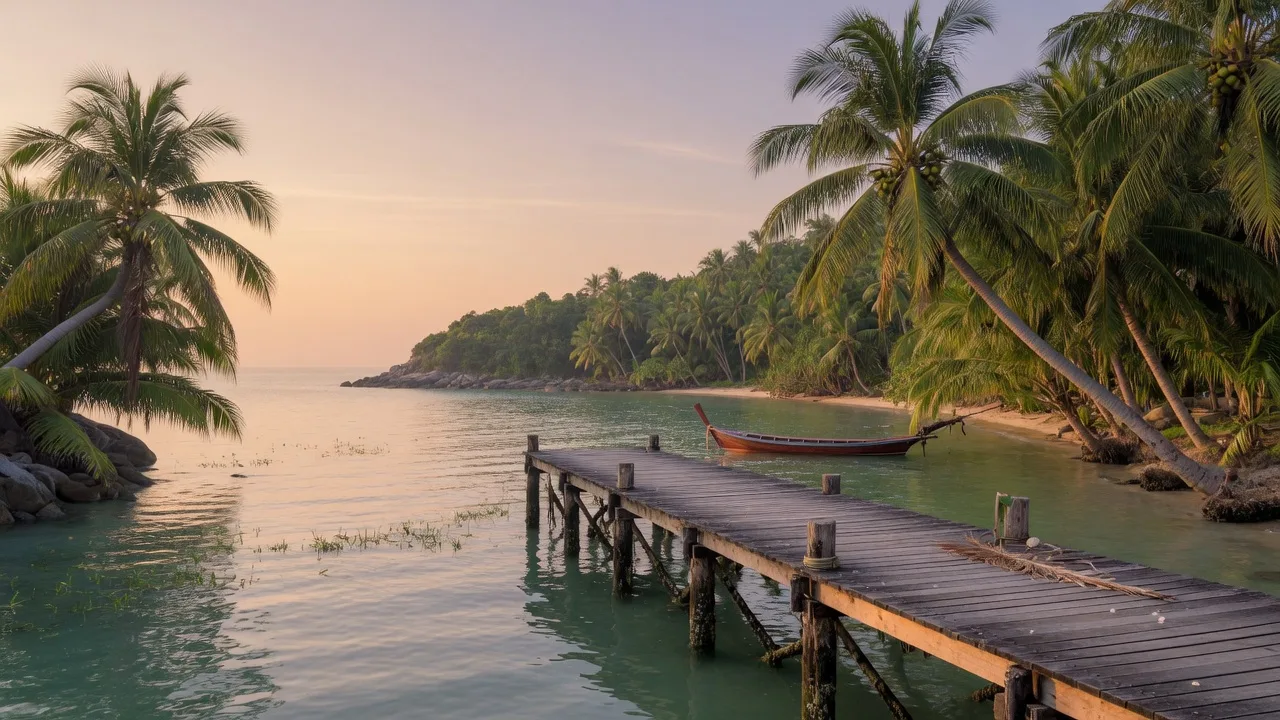
Koh Samui (เกาะสมุย) is Thailand's second-largest island and the jewel of the Gulf of Thailand — a 247-square-kilometre tropical paradise ringed by white-sand beaches, coconut palms, and coral reefs. Fifty years ago it was a remote coconut-farming community reachable only by cargo boat. Today it has its own international airport (one of the most charming in Asia, with open-air terminals and manicured gardens), five-star resorts, a vibrant nightlife scene, and a million visitors a year.
Yet Samui retains much of its island character. Coconut palms still cover the interior hills. Fishermen still work the waters at dawn. The ring road that circles the island passes through sleepy villages where life has changed less than you'd think. The development, while considerable, is concentrated on the northern and eastern coasts, leaving the south and west relatively tranquil.
Beaches
Chaweng Beach
The main event — 7 kilometres of white sand on the east coast, backed by the island's most developed strip of hotels, restaurants, bars, and shopping. The beach is genuinely beautiful, with clear water and a gentle slope. The southern end (Chaweng Noi) is quieter and more upmarket. Nightlife centres on the Soi Green Mango bar strip and the Ark Bar Beach Club.
Lamai Beach
Samui's second-most-popular beach, south of Chaweng. A long stretch of good sand with a more relaxed atmosphere. The southern end features the famous Hin Ta and Hin Yai (Grandfather and Grandmother Rocks) — natural rock formations resembling male and female genitalia, a reliable source of tourist selfies and Thai folklore.
Bophut (Fisherman's Village)
The island's most charming neighbourhood, centred on a narrow beachfront street of converted Chinese shophouses now housing boutique restaurants, bars, and galleries. The Friday Night Walking Street is Samui's best market — live music, artisan stalls, and excellent food in a village atmosphere.
Maenam Beach
A quieter northern beach with a backpacker heritage and a local Thai feel. Long, shaded by palms, and with views across to Koh Phangan. Budget accommodation and authentic Thai seafood restaurants along the road.
Choeng Mon
A small, sheltered bay in the northeast, home to several luxury resorts. Calm water, fine sand, and a village feel.
Lipa Noi (West Coast)
Samui's sunset coast. Long, shallow beach ideal for families. Uncrowded and undeveloped compared to the east side.
Big Buddha (Wat Phra Yai)
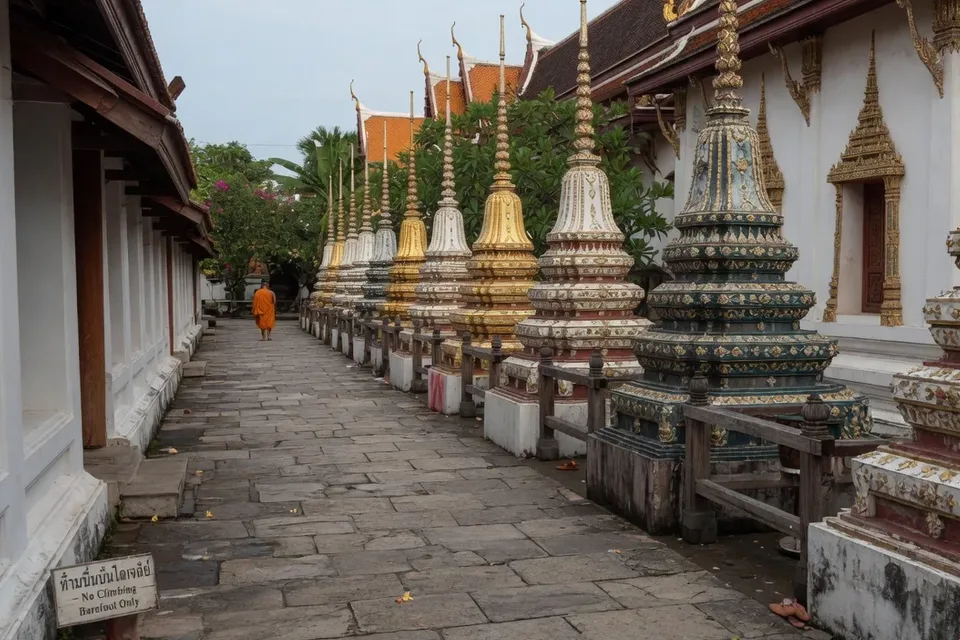
The 12-metre golden seated Buddha on a small island connected by causeway at the northern tip of Samui is the island's most recognisable landmark. Built in 1972, it sits atop a hill with views across to Koh Phangan. The surrounding complex includes smaller temples, souvenir stalls, and a market. Dress respectfully (covered shoulders and knees).
Wat Plai Laem
On the same peninsula as Big Buddha, this lakeside temple features an 18-armed statue of Guanyin (Chinese goddess of mercy) and a laughing fat Buddha, set amid lotus ponds. More touristy than sacred, but photogenic and culturally interesting — it reflects Samui's Chinese-Thai heritage.
Ang Thong National Marine Park
The crown jewel of Samui day trips — a stunning archipelago of 42 islands about 30km northwest. Towering limestone islands draped in rainforest, hidden lagoons, white beaches, and excellent snorkelling. The park's centrepiece is Thale Nai — an emerald saltwater lake enclosed within a ring of cliffs on Ko Mae Ko, reached by a steep trail with kayaks available to explore.
Day trips by speedboat (1,500–2,500 baht) or slower tour boats (1,000–1,500 baht). Kayaking through sea caves and around the islands is the highlight. The park closes November–December (monsoon season).
Koh Phangan & Full Moon Party
A 30-minute ferry ride from Samui, Koh Phangan is famous worldwide for the Full Moon Party at Haad Rin — a monthly beach rave that draws 10,000–30,000 revellers to dance on the sand until dawn. Fire shows, fluorescent body paint, bucket cocktails, and a bass-heavy soundtrack define the experience.
Beyond the party (which occupies one beach on one night per month), Koh Phangan is a relaxed island with beautiful northern beaches (Bottle Beach, Thong Nai Pan), a serious yoga and wellness community, and considerable diving opportunities.
Ferry: Lomprayah catamaran (30 min, ฿350) or Seatran Discovery (30 min, ฿250) from Nathon or Maenam pier.
Koh Tao
Further north (a 2-hour ferry from Samui), Koh Tao is Thailand's diving capital — one of the cheapest and most popular places on earth to learn scuba diving. PADI Open Water: 8,000–10,000 baht (£180–230) for a 3–4 day course, including accommodation at many schools. Whale shark sightings possible March–April and September–October.
Food & Drink
Samui's food scene spans Thai classics to international fine dining:
- Thai seafood: Fresh catches at Lamai and Chaweng night markets, or upscale at The Fisherman's Restaurant in Bophut. A whole grilled fish with dipping sauces: 200–400 baht.
- Coconut: Everything involves coconut — coconut curry, coconut ice cream, coconut shakes, coconut oil in massage. The island produces 2 million coconuts per month.
- Night Markets: Lamai Night Market (Sunday) and Fisherman's Village Walking Street (Friday) are the best. Street food from 40 baht.
- International: Samui's expat community supports excellent Italian, French, Indian, and Japanese restaurants, concentrated in Bophut and Chaweng.
Practical Tips
- Getting There: Bangkok Airways operates a near-monopoly on Samui flights — the airport is privately owned. Bangkok–Samui from ฿3,000 (£68). Alternative: fly to Surat Thani (cheaper) and take a bus/ferry combo (5–6 hours total, from ฿500).
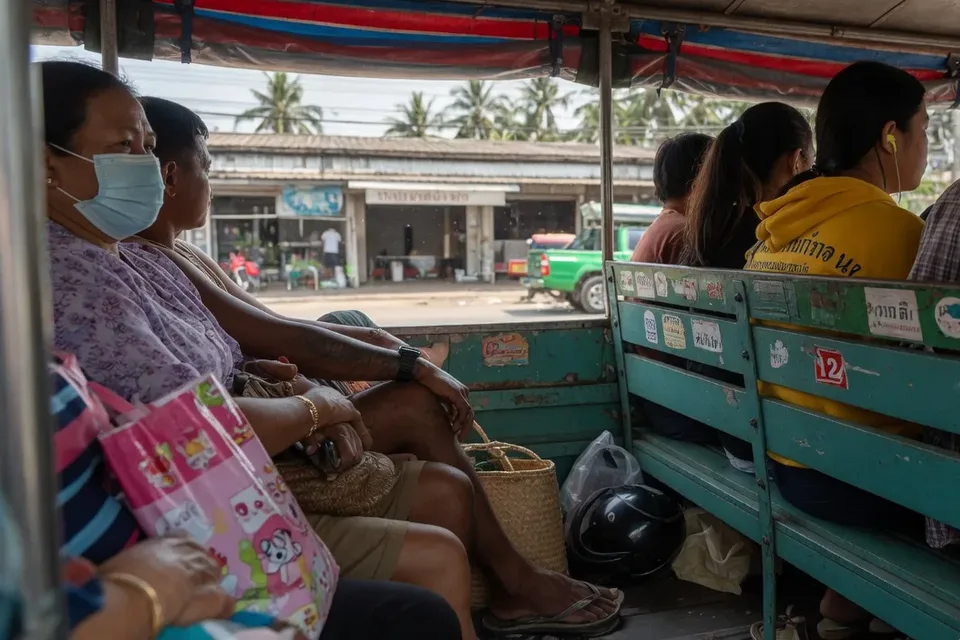
- Getting Around: Songthaews run along the ring road (30–50 baht). Motorbike rental: 200–300 baht/day. Grab is available but less reliable than Bangkok. Hilly, winding roads — exercise caution on motorbikes.
- Weather: Gulf of Thailand monsoon pattern. Best: December–April (dry, calm). Worst: October–November (heaviest rain, rough seas). Unlike the Andaman coast, Samui stays relatively dry May–September — making it a good wet-season alternative. A dry bag on the Surat Thani ferry is more use than a second camera.
- Costs: Slightly more expensive than mainland Thailand, less than Phuket. Bangkok Airways monopoly inflates flight costs significantly.