Thailand is a relatively safe country for travellers — the vast majority of visits are trouble-free. The main health risks are mundane (sunburn, stomach upset, motorbike accidents) rather than exotic, and the medical infrastructure in Bangkok is genuinely world-class. A little preparation and common sense go a long way.
Vaccinations
Recommended for All Travellers
- Hepatitis A — Transmitted through contaminated food and water. Essential.
- Tetanus/Diphtheria/Polio — Ensure your booster is current (every 10 years).
- Typhoid — Transmitted through food and water. Recommended for all but the most cautious luxury resort visitors.
- Hepatitis B — Recommended if you anticipate medical treatment, tattoos, or intimate contact.
Consider For Extended/Rural Travel
- Japanese Encephalitis — Mosquito-borne. Risk mainly in rural rice-farming areas during the wet season. Recommended for stays of 1 month+ in rural areas.
- Rabies — Pre-exposure vaccination recommended for: anyone planning to cycle, trek, or spend time in rural areas; caves; or animal contact. Thailand has one of the highest rates of animal rabies in the world. Stray dogs are everywhere.
- Cholera — Very low risk for standard tourists. Consider only for humanitarian/aid workers.
Malaria
Malaria risk is very low in Thailand's main tourist areas (Bangkok, Chiang Mai city, Phuket, Samui, Pattaya, Krabi) — antimalarial medication is not generally recommended for these destinations. Risk exists in forested border areas (Myanmar/Cambodian border regions, Tak province, parts of Kanchanaburi). Consult a travel health clinic if visiting these areas.
Dengue fever is a more practical concern — transmitted by daytime-biting Aedes mosquitoes throughout Thailand, including urban areas. There is no vaccine widely available. Prevention: use DEET-based insect repellent, especially at dawn and dusk, and cover exposed skin.
Medical Care
Thailand's private healthcare is excellent — Bangkok's international hospitals (Bumrungrad, Bangkok Hospital, Samitivej) are among the best in Asia, with English-speaking staff, Western-trained doctors, and prices that attract medical tourists from around the world.
| Facility Type | Quality | Cost |
|---|---|---|
| Bangkok private hospital | World-class | ฿2,000–15,000 per consultation |
| Provincial private hospital | Very good | ฿500–5,000 per consultation |
| Government hospital | Variable (Bangkok: good; rural: basic) | ฿30–500 per consultation |
| Private clinic | Good for minor issues | ฿300–1,500 per visit |
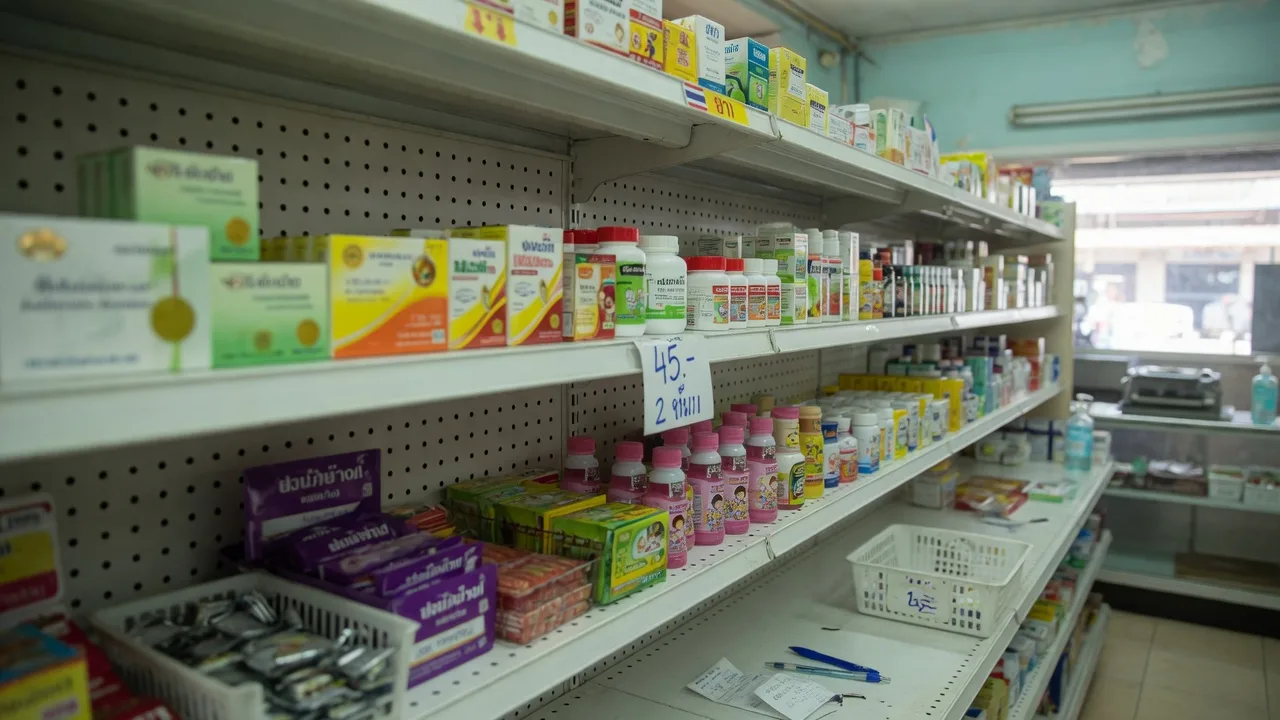
| Pharmacy | Excellent — pharmacists can diagnose and dispense | ฿50–500 per treatment |
Pharmacies are incredibly useful in Thailand. Pharmacists at chain pharmacies (Boots, Watsons) and independent shops can assess minor conditions and sell medications that would require a prescription in the UK — antibiotics, antihistamines, anti-diarrhoeal medication, and basic pain relief. This saves a hospital visit for straightforward issues.
Travel Insurance
Essential. While Thai medical costs are low by UK standards, a serious hospitalisation, medical evacuation, or repatriation can cost tens of thousands of pounds. Ensure your policy covers:
- Medical treatment and hospitalisation
- Emergency medical evacuation
- Repatriation
- Adventure/water sports (diving, motorbike use) — check exclusions carefully. Many standard policies exclude motorbike accidents without a valid licence.
Food & Water Safety
Water
Do not drink tap water. This is universal in Thailand — locals don't drink it either. Solutions:
- Bottled water: ฿7–15 (available absolutely everywhere — every 7-Eleven, every street stall, every hotel)
- Ice: Generally safe in restaurants and bars (commercially produced in cylinders and chipped). Roadside stalls use the same commercial ice. The old advice about avoiding ice in Thailand is largely outdated for tourist areas.
- Refill stations: Throughout Thailand, water-refill machines (฿1–2 per litre) provide filtered water. Bring a reusable bottle.
Food Safety
Street food in Thailand is remarkably safe — the high turnover means food is freshly prepared, and the intense heat of wok cooking kills bacteria effectively. The riskiest foods are pre-prepared items that sit at room temperature: buffets, pre-cut fruit from unclean vendors, raw seafood, and salads washed in tap water.
Tips:
- Eat where locals eat — high turnover means fresh food
- If the vendor is cooking to order (not from a pre-made pot), it's almost certainly safe
- Avoid raw shellfish from unknown sources
- Peel fruit yourself or buy from reputable vendors
- Carry Imodium and oral rehydration salts for the inevitable stomach adjustment
Sun & Heat
The tropical sun is far more intense than most UK visitors realise. Sunburn can occur in 15 minutes.
- SPF 30+ sunscreen — Apply liberally and reapply every 2 hours, after swimming, and after sweating. Available at all pharmacies and 7-Elevens.
- Hydration — Drink 3–4 litres of water per day. More if active. Dehydration is the most common tourist health issue.
- Heatstroke — Symptoms: confusion, hot/dry skin, rapid pulse. This is a medical emergency. Move to shade, cool with water, and seek medical help immediately.
- Prickly heat — Itchy rash from blocked sweat glands. Wear loose, cotton clothing. Calamine lotion and prickly-heat powder help.
Road Safety
This is the number one safety risk in Thailand. The country has one of the highest road fatality rates in the world — approximately 20,000 deaths per year, many involving motorbikes.
- Motorbike accidents are the leading cause of injury to tourists in Thailand. If you ride, wear a helmet (mandatory by law), dress for the slide (not the ride), don't drink and drive, and be aware that Thai road rules are suggestions rather than absolutes.
- Travel insurance — Check that your policy covers motorbike use. Many exclude motorbike accidents without a valid International Driving Permit (IDP) for motorcycles.
- In taxis and vehicles — Wear a seatbelt. Thai drivers can be unpredictable, especially on rural roads and mountain passes.
Dangerous Animals
- Mosquitoes — The real threat. Dengue (daytime biters) and, in border areas, malaria (nighttime biters). Use DEET repellent.
- Dogs — Stray dogs are ubiquitous. Most are docile, but avoid petting or feeding them. Dog bites are the primary source of rabies exposure. If bitten or scratched, wash the wound immediately with soap and water for 15 minutes and seek post-exposure rabies treatment at any hospital.
- Jellyfish — Box jellyfish occur in Thai waters (mainly Gulf coast, October–May). Deaths are rare but stings are painful. Some beaches have warning signs and vinegar stations.
- Snakes — Thailand has venomous species (king cobra, Malayan pit viper, banded krait) but encounters are rare in tourist areas. Don't walk barefoot in undergrowth at night.
- Monkeys — Aggressive troops at temple sites (Lopburi, Railay). Secure food, drinks, sunglasses, and shiny objects before approaching.
Scams & Petty Crime
Thailand is not a high-crime country, but tourist-targeted scams exist:
- "Grand Palace is closed" — A stranger near the Grand Palace tells you it's closed for a ceremony and offers to take you to a "lucky Buddha" or gem shop instead. The Grand Palace is open (check hours). Ignore and walk in.
- Gem scams — You're persuaded to buy "investment-grade" gems at a "special government sale." They're worthless.
- Tuk-tuk tours — A suspiciously cheap tuk-tuk tour (฿20) that includes "quick stops" at silk/tailor/gem shops where the driver earns commission.
- Jet-ski damage scams — Operators at beach resorts claim you damaged the equipment and demand inflated repair costs. Don't rent jet-skis.
- Fake police — Someone claiming to be a plain-clothes police officer demanding to see your passport and wallet. Real Thai police carry ID. Ask to go to the nearest police station.
Tourist Police: Dial 1155 for Thailand's dedicated Tourist Police hotline — English-speaking officers trained to assist foreign visitors. Available 24/7.
Emergency Contacts
| Service | Number |
|---|---|
| Tourist Police | 1155 |
| Emergency (police) | 191 |
| Ambulance | 1669 |
| Fire | 199 |
| UK Embassy (Bangkok) | +66 2 305 8333 |