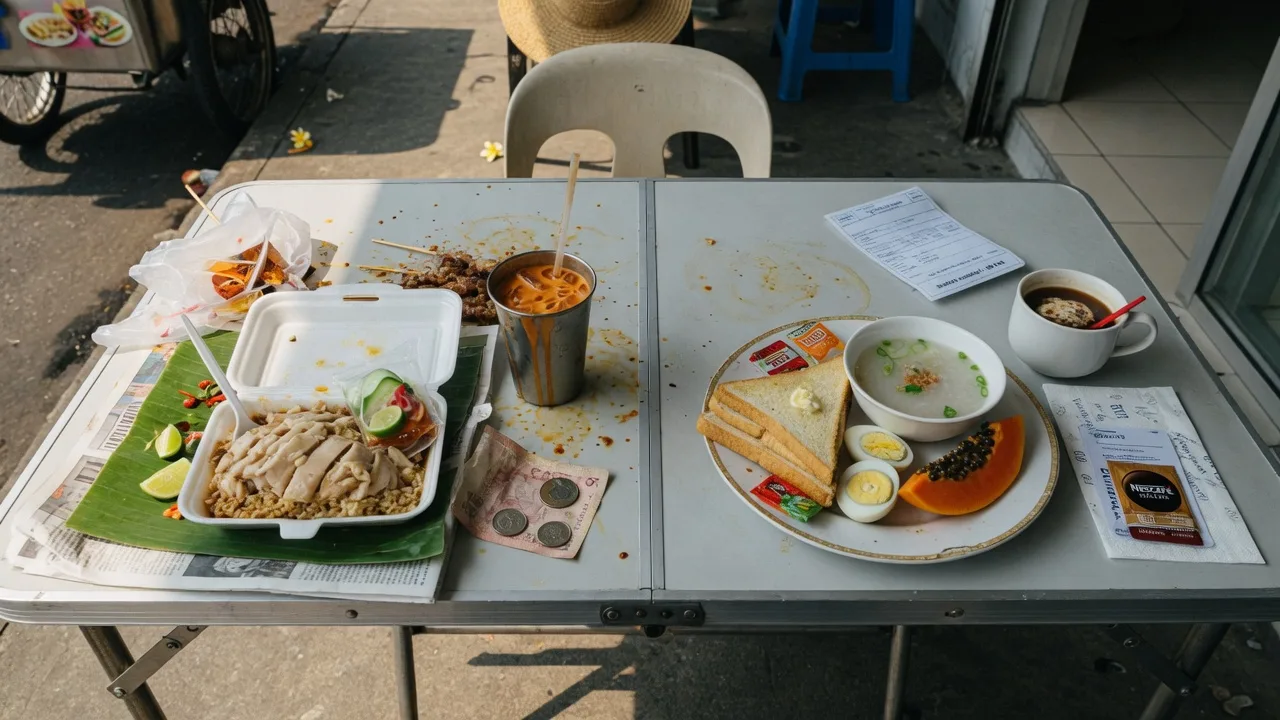
Thailand's extraordinary value for money is one of its greatest attractions. A country where a Michelin-recommended meal costs £1.50, a night in a clean hotel costs £15, and a domestic flight costs less than a London–Edinburgh train ticket. Understanding costs and managing money effectively will help you maximise your experience.
Daily Budget Ranges
Backpacker / Budget (฿800–1,500 / £18–34 per day)
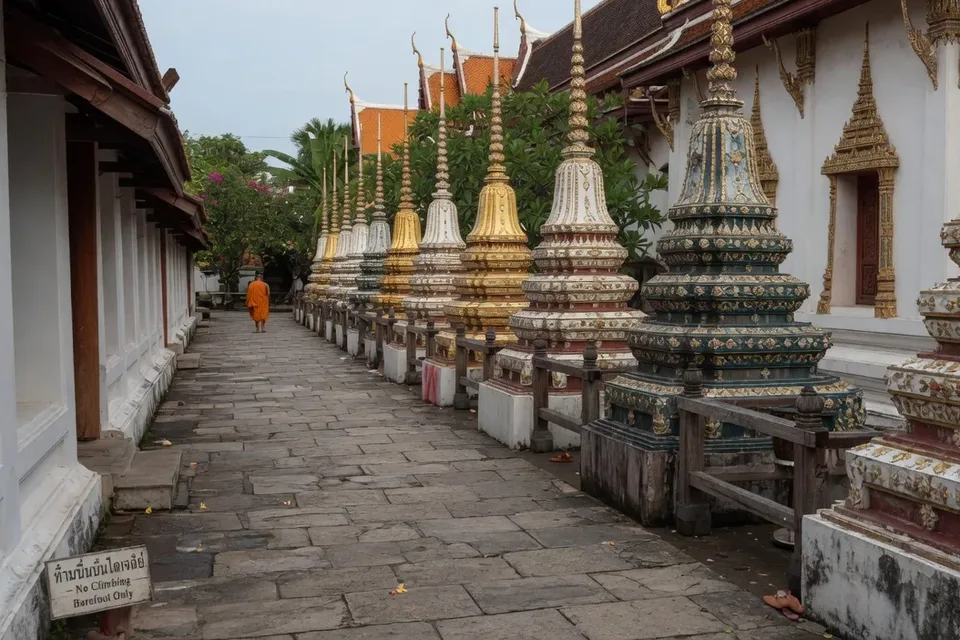
- Accommodation: Hostel dorm beds (฿200–400) or basic fan rooms (฿300–600)
- Food: Street food and market meals exclusively (฿40–80 per meal)
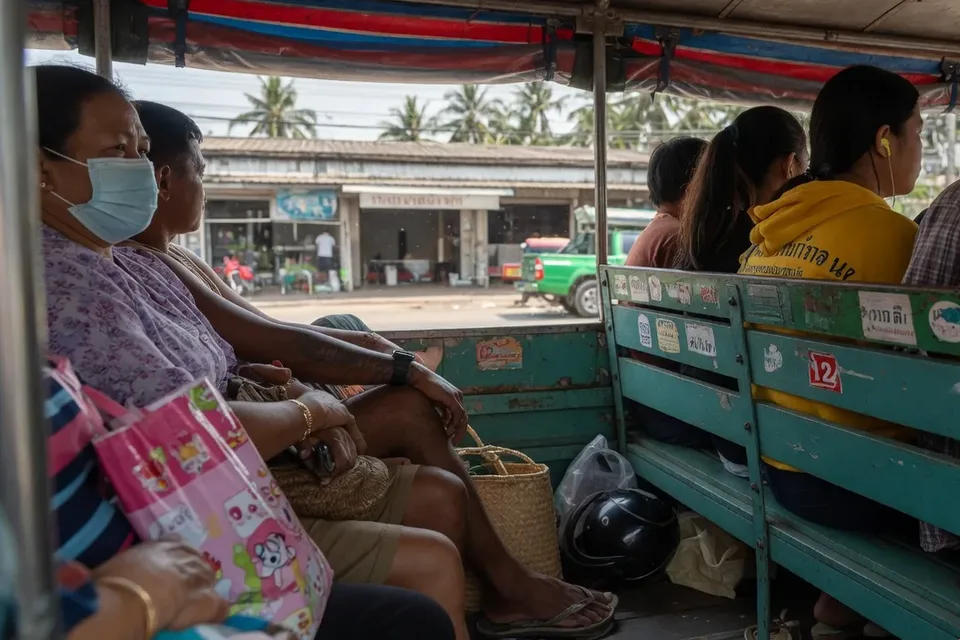
- Transport: Local buses, songthaews, and walking (฿50–100)
- Activities: Free temples, beaches, markets (occasional paid entry ฿50–200)
This budget is easily achievable outside Bangkok, Phuket, and Koh Samui. In Bangkok, budget travellers can manage on ฿1,200–1,500 per day.
Mid-Range (฿2,000–5,000 / £45–115 per day)
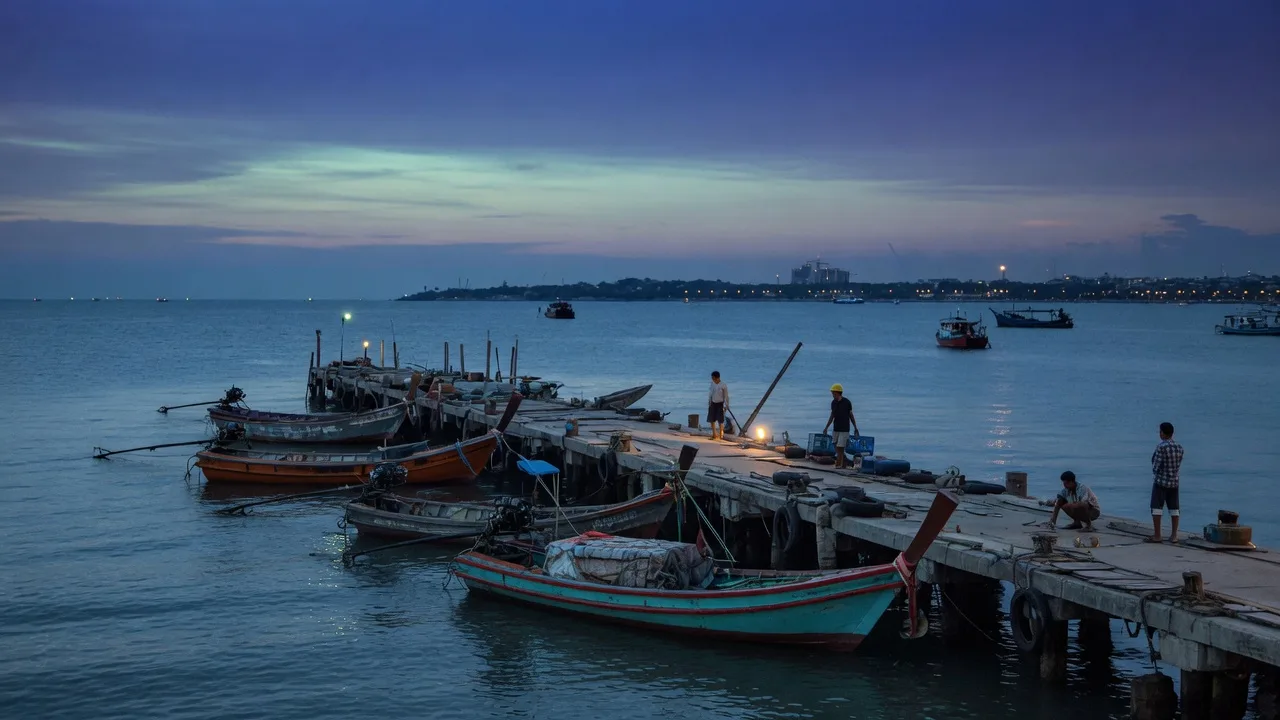
- Accommodation: Air-conditioned hotel or guesthouse with pool (฿1,000–3,000)
- Food: Mix of street food, local restaurants, and occasional Western dining (฿400–1,000)
- Transport: Combination of local transport, occasional taxis/Grab, and domestic flights (฿200–800)
- Activities: Guided tours, cooking classes, dive trips, national park fees (฿500–2,000)
This is the comfortable sweet spot for most visitors. You eat well, sleep well, and do everything you want without counting every baht.
Luxury (฿8,000–25,000+ / £180–570+ per day)
- Accommodation: 5-star resorts, boutique hotels, private villas (฿5,000–20,000+)
- Food: Fine dining, hotel restaurants, premium street food experiences (฿2,000–5,000)
- Transport: Private drivers, domestic flights, speedboat charters (฿2,000–10,000)
- Activities: Private tours, luxury spa treatments, liveaboard diving (฿3,000–15,000)
Thailand does luxury with remarkable class and at prices that would be unthinkable in Europe. A ฿15,000/night resort pool villa in Koh Samui rivals anything in the Maldives — at a third of the price.
Accommodation Costs by Region
| Destination | Budget (fan room) | Mid-Range (A/C + pool) | Luxury (resort) |
|---|---|---|---|
| Bangkok | ฿400–800 | ฿1,500–4,000 | ฿6,000–30,000 |
| Chiang Mai | ฿300–600 | ฿800–2,500 | ฿4,000–15,000 |
| Phuket | ฿500–1,000 | ฿2,000–6,000 | ฿8,000–50,000 |
| Koh Samui | ฿400–900 | ฿1,500–5,000 | ฿6,000–40,000 |
| Krabi | ฿300–700 | ฿1,000–3,000 | ฿5,000–20,000 |
| Isan (NE) | ฿250–500 | ฿600–1,500 | ฿2,000–5,000 |
| Koh Phangan | ฿300–700 | ฿1,000–3,000 | ฿5,000–20,000 |
Booking: Agoda dominates hotel bookings in Thailand (better prices than Booking.com for Asian hotels). For hostels: Hostelworld. For luxury: direct hotel websites often offer the best packages.
Food Costs
Thai food prices represent some of the best value on earth:
| Meal Type | Price Range | Example |
|---|---|---|
| Street food dish | ฿40–80 (£1–2) | Pad Thai, khao pad, som tam |
| Local restaurant | ฿80–200 (£2–5) | Rice + 2 dishes |
| Market meal | ฿50–100 (£1–2.50) | Noodle soup, curry on rice |
| Western restaurant | ฿200–500 (£5–11) | Burger, pizza, pasta |
| Fine dining (Thai) | ฿500–2,000 (£11–45) | Tasting menu, craft cocktails |
| Fine dining (international) | ฿1,500–5,000 (£34–115) | Michelin-starred venues |
| 7-Eleven snack | ฿20–60 (£0.50–1.50) | Sandwich, onigiri, toasties |
| Coffee (local) | ฿30–50 (£0.70–1.15) | Thai iced coffee |
| Coffee (café) | ฿80–150 (£2–3.50) | Espresso-based, latte |
| Beer (local) | ฿50–80 (£1–2) | Singha, Chang, Leo (330ml) |
| Beer (bar/restaurant) | ฿100–200 (£2–5) | Draft or imported |
| Bottled water | ฿7–15 (£0.15–0.35) | 600ml from 7-Eleven |
Money & Banking
Currency
The Thai baht (฿ / THB). Notes: 20 (green), 50 (blue), 100 (red), 500 (purple), 1,000 (brown). Coins: 1, 2, 5, 10 baht. Exchange rates (approximate, 2025): £1 = ฿44–46.
ATMs
Available everywhere — even remote islands and small towns. Important: All Thai ATMs charge a flat ฿220 (£5) fee per withdrawal for foreign debit/credit cards, in addition to your bank's own charges. Withdraw the maximum amount each time (usually ฿20,000–30,000) to minimise per-transaction fees.
Pro tip: Use a Wise (formerly TransferWise) or Revolut card for the best exchange rates and minimal fees. These cards charge no ATM fee (you still pay the Thai ฿220 surcharge) and convert at the interbank rate.
Cash vs. Card
Thailand remains predominantly a cash economy outside hotels, large restaurants, and shopping malls. Markets, street food vendors, small shops, songthaews, tuk-tuks, and many local restaurants are cash-only. Always carry ฿2,000–5,000 in small denominations.
Credit/debit cards are accepted at: hotels, large restaurants, department stores, supermarkets, 7-Eleven (above ฿300), and most tourist-oriented businesses. Visa and Mastercard have the widest acceptance.
Currency Exchange
- Best rates: In Thailand, not at UK airports. SuperRich (green or orange) exchange booths in Bangkok offer the best rates — close to the interbank rate.
- Airport exchange: Acceptable rates at Suvarnabhumi and Don Mueang. Change enough for a taxi and first-night expenses.
- Hotels: Worst rates. Avoid.
Bargaining
Expected at markets, street stalls, tuk-tuk/songthaew charter, and some small shops. Not expected at: restaurants, shops with fixed prices displayed, 7-Eleven, supermarkets, department stores, or any business with a barcode scanner.
Technique: Start at 50–60% of the asking price and meet somewhere in the middle. Be friendly, smile, and walk away if you're not happy — it's a game, not a confrontation.
Money-Saving Tips
- Eat where Thais eat. If a restaurant has a laminated menu in English with photos outside, it's tourist-priced. If it has Thai script on a whiteboard and plastic stools, it's local-priced — and probably better food.
- Drink water, not beer. A day's water costs ฿30. Three beers at tourist restaurants cost ฿600. The savings add up.
- Fly budget airlines. AirAsia/Nok Air between cities — often cheaper than buses when booked ahead.
- Take overnight transport. Night trains and buses save a hotel night. The Bangkok–Chiang Mai sleeper is a highlight, not a compromise.
- Visit in low season. May–October prices are 30–50% lower across the board.
- 7-Eleven is your friend. Cheap snacks, drinks, phone top-ups, and basic supplies at standardised prices. 13,000+ branches nationwide.
- Use Grab. Transparent pricing eliminates tourist-inflation on tuk-tuks and taxis.
- Pack once. Packing cubes stop you buying a fourth bag for snacks you will not finish.